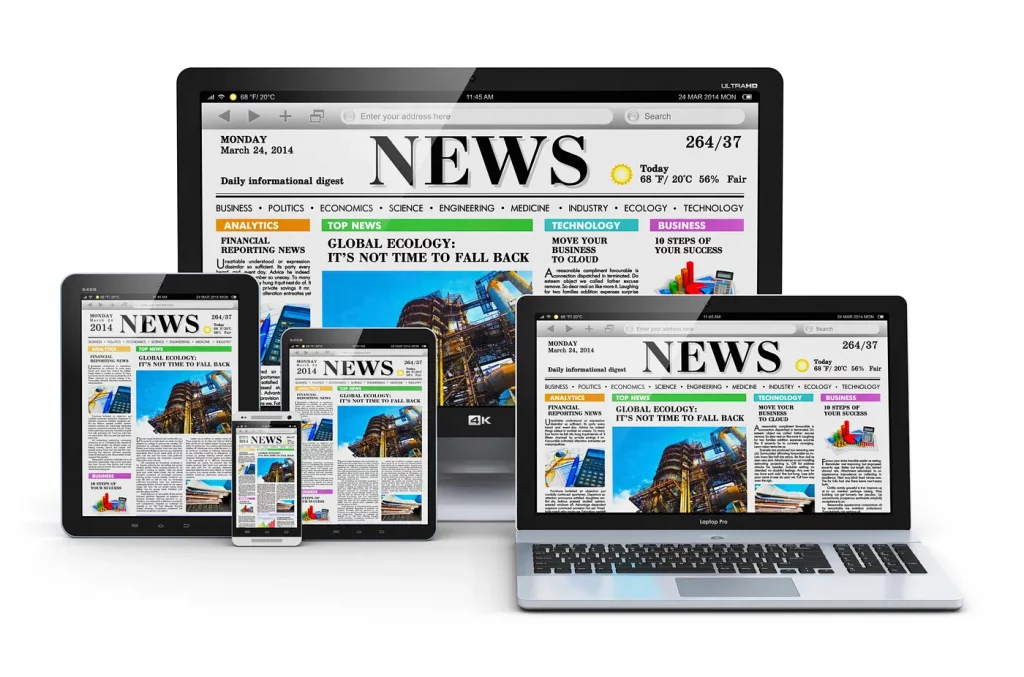
Nowadays, the most common medium to gather information is the digital world. Of course, there are many platforms and many ways to approach them, therefore it is important to keep in mind that a lot of them spread fake news. Remaining critical is a must. But it is not just the digital world that might provide wrong knowledge; If we think about journals in authoritarian countries, they are also likely to provide misleading information.
I want to point this out because we, as human beings, always need to prioritize our critical thinking and stay skeptical and selective when it comes to information.
Academic Use: A Careful Process
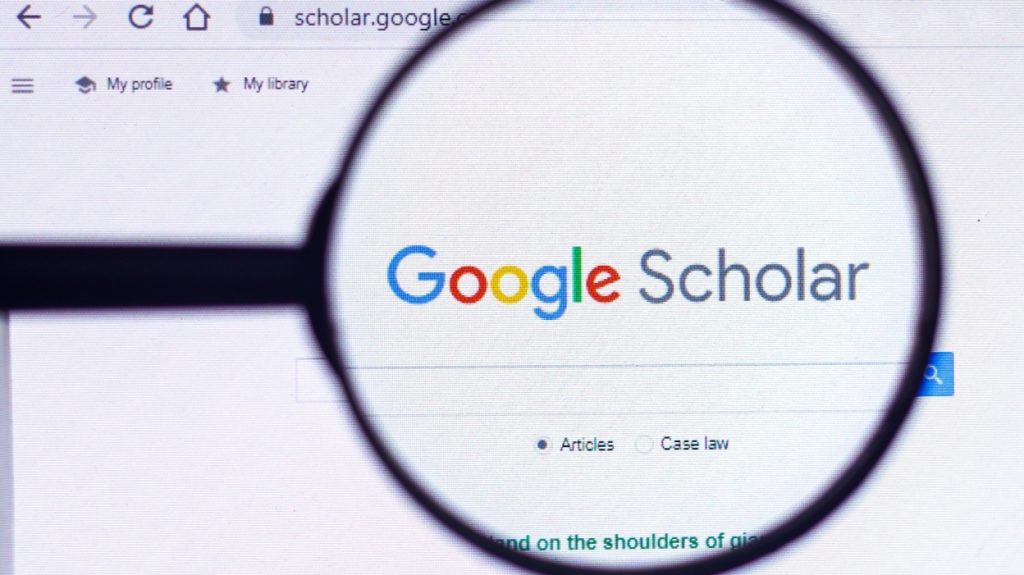
Talking about my personal experience, I can say that my use of digital media changes depending on my needs. When I write assignments for my courses, it is important for me to check the reliability of the information. In this case, I rely on platforms that I can trust, such as the Leiden University Catalogue or Google Scholar. They provide academic articles, most of them peer-reviewed. This means that before being published, they are carefully checked by scholars and university presses, so the information is likely reliable.
That being said, it doesn’t mean we don’t need to be critical. Even with reliable sources, I might not agree with what is written. So, I also check how useful the source is for supporting my argument. Honestly, this is a very stressful process, because even when I know which engines to use, there is still a huge number of articles to go through. Writing an assignment takes me a very long time just to figure out which sources to rely on.
YouTube: Useful but Tricky
Now, moving away from academia, I also use other platforms that are trickier. YouTube is one of them. When it comes to my personal curiosity and building knowledge on different subjects, I often rely on YouTube. I like spending my free time watching videos that tell me something I’m curious about. For example, I’m interested in wellbeing and personal growth, and this media has helped me a lot by giving me tips to use in my daily life. For instance it helped me in building up a good routine and in understanding how to manage my time to reach mental and physical wellbeing.
Should I say YouTube is reliable? No. Many people post videos without really knowing what they are talking about. But if we stay critical, it can still be useful. Once we know how to deal with the information and how to select what to watch, YouTube becomes an amazing way to build knowledge.
Instagram: Between News and Influencers
The last platform I want to mention is Instagram. I think nowadays it is one of the most used to gather information, especially by young people. From my personal experience, because of the algorithm, I get geopolitical news and politicians’ talks so I can stay updated on what is happening around the world. But if I want to be sure, being critical is not enough, I need to double-check with reliable newspapers to see if the information is real.
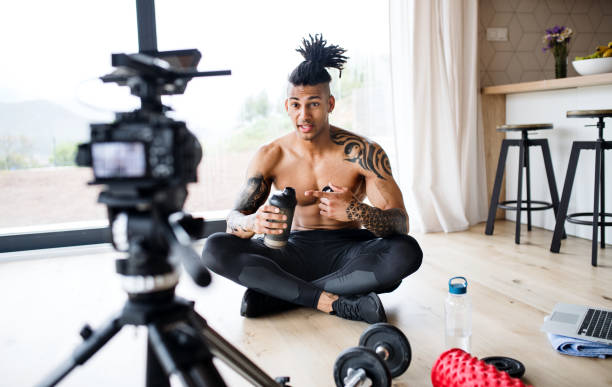
Another example is fitness. I got a lot of information on how to exercise from Instagram, but honestly? I don’t trust it anymore. There are plenty of influencers giving advice without having a proper diploma. I decided to rely on a personal trainer instead, and by talking with her I realized that there are many different approaches. It’s important first to understand which one fits your body and then stick to it. Following random exercise advice on Instagram can actually be dangerous, leading to injuries.
Final Thoughts
After going through these examples of different platforms, I want to stress again the importance of being critical. It doesn’t matter which engine we use or for what purpose, the first step is to ask ourselves: What am I looking for? How much do I already know about it? Being aware of our position and knowledge helps us deal with the huge amount of information and make better selections. Misleading information can be harmful, so knowing how to handle it is not just important, IT IS A MUST.


I think you are right by saying it is a must, because there are so many people just consuming the things they see on social media blindely. It maybe takes a bit more time like you said in your example of finding articles, but it brings us closer to what is more true. When people try to bring up facts about something and say they got it from Instagram, it’s directly less believable. I think you give a good example of this when looking at fitfluencers just saying what they think is good. You highlight a good thing at the end, saying that it is important to start with questioning ourselves. Only then can we get further in our own knowledge.
It’s good that you’re already using sources from the university catalog. You could get fewer results by specifying your search query, for example, you could enter multiple keywords as search terms. Two years ago, I took a course on how to find the right information online, so I find it very interesting to read other people’s opinions. I try to apply what I learned in that course and not just accept everything I find online. And it’s true that it takes a long time, but it’s really worth it, because otherwise you might end up saying things that aren’t true, and that’s obviously not what you want to convey.
I also find your other examples very interesting, because they are seen as less reliable. But I think they are definitely useful tools when used in combination. If you get similar information from different sources and channels, it is a lot more reliable. Sometimes it is also good to read/see things from different perspectives. This can help you see things in different ways and remember them better because you’ve read about them in a few different ways, but gained the same knowledge. I do this too when I need to learn about a topic. When I read/watch it on different platforms, I find it easier to retain the information. So I definitely recommend it!