When I was a child, I wanted to be a musician, an astronaut, or maybe even both at the same time. I thought about doing all these fun things, but I never thought I’d work in a creative field. To be honest, creativity didn’t feel like “my thing.” I wasn’t the kind of kid who could draw perfectly or write poems that made people cry. I used to think that only people who were born with it could be creative. But things changed in middle school.
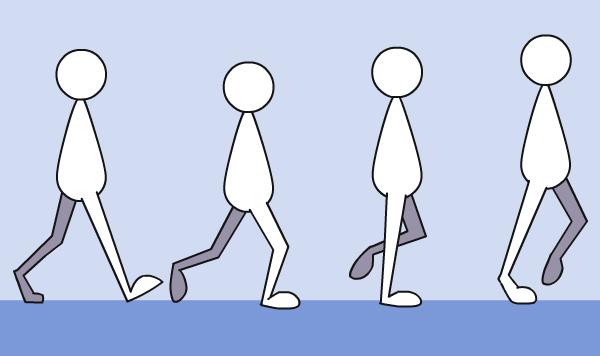
I took a class where I had to make simple animations with pictures. We literally just dragged pictures frame by frame to make them look like they were moving. I loved it because it was so easy. Then there was a project for a music video. It was stressful and a little embarrassing, even though they are my classmates, but I had a great time. It wasn’t even about making something right. It felt good to make something from nothing.
That’s when I first thought, “Maybe this isn’t something I’m just born with. Maybe it’s something I can grow into.” So, when I had to pick a college program, I chose one that combined creativity, media, and digital tools, even though I wasn’t sure about it. But I thought I had to give it a shot. It was hard at first to learn how to use programs like Photoshop, Premiere Pro, and Figma. I would spend hours on one little thing, and it still wouldn’t look right. My whole file crashed a few times. There were times when I wanted to give up.
Now I have a different view of creativity. I used to think it was just talent, but now I know it takes time, practice, and being okay with things not looking “perfect” right away. The more I learned, the more sure of myself I became. And to be honest, it has changed me. But I learned something from all those mistakes: no project is perfect. You can always make it better by changing, refining, or redoing something. Knowing how to make it better is what matters most. Knowing what kind of shot you need. What technique you can use. And then being willing to do it over and over, as many times as it takes.
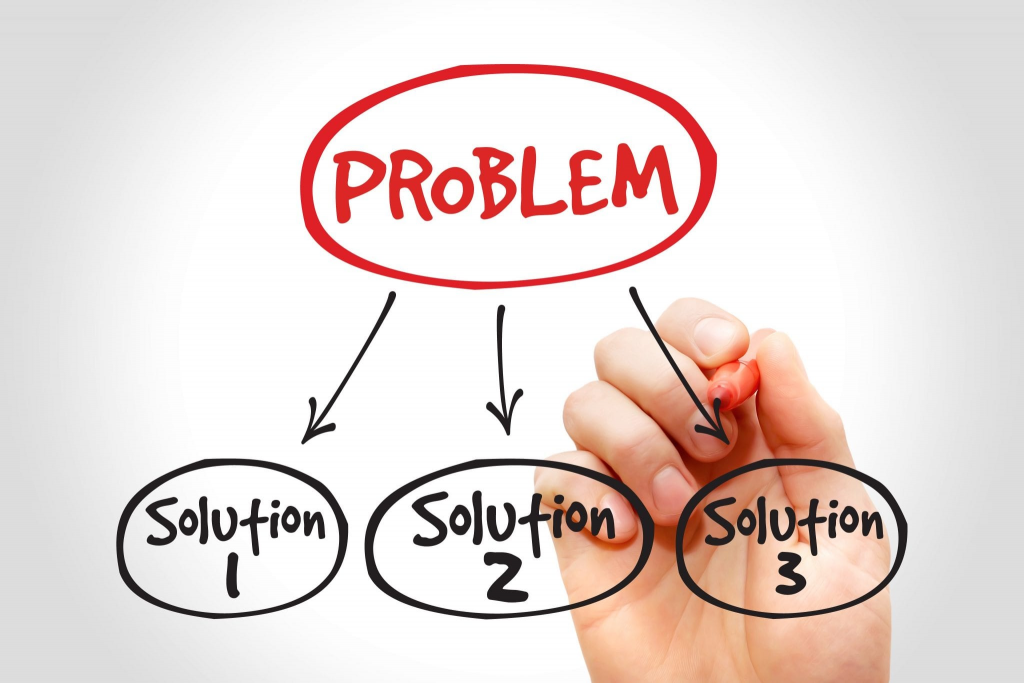
When I realized that, creativity stopped feeling like a test and started feeling like practice. Like working out a muscle I didn’t know I had. What kept me going was that I learned something every time I pushed through. And every time I made something, no matter how small, I felt proud. Every time I made something from scratch, it made me feel like I could keep going. I used to think that creativity was just having a talent, but now I know that it’s also about being patient, doing things over and over again, and not giving up on your idea, even if it doesn’t look like what you thought it would.
I never thought I’d work in a creative field. Creativity isn’t about getting it perfect. It’s about having the courage to start over and knowing how to learn from mistakes.


I think it’s very brave of you to give a chance to creativity and try to change perspective on it. Nowadays, because of social media, there’s a lot of pressure about being constantly creating creative, creating amazing and perfect things all the time. And it doesn’t help if you grow up with the idea that you either have it or not. So I think it’s really good that you decided to change perspective, because it is true that creativity is not about talent, nor perfection. Also, there are many fields of creativity: it’s not just writing, music, visual arts, it’s also about more technical stuff that require practice.
I really like how you describe creativity as something you grow into, not just something you’re born with. The way you describe learning tools, failing, and trying again feels very real and relatable. It’s inspiring to see creativity as a muscle you train rather than a test you have to pass.
I’m very glad you were able to have this enlightenment! I always grew up being an artsy person, and having lots of supportive people around me. Although this was amazing and I am so grateful, I always felt the need to be perfect. If my artworks did not end up looking how I envisioned, I would put myself down. In quarantine I had a massive artistic flow, and that’s when I started realising how much being artistic also depended on practice. I was making multiple things a day, even if they were good or bad, until I started making more and more things I was enjoying. Everything is about trial and error, and the best part about making art is that error doesn’t really exist if you consider them diversions. If you work for the process, the product always becomes more valuable.
I completely understand how you feel, as I spent a long time telling myself the same thing: I am not a creative person. I believed I was better at imitation or improving existing ideas, but I rarely came up with those “brilliant new concepts” that truly impressed others. I often wanted to try writing my own novel, with original characters and a unique world, but I found myself unable to figure out how to develop the settings. That’s why I mostly wrote using existing characters. Like you, my turning point came when I started engaging with media-related activities. At first, I loved editing film clips, pairing them with different background music to tell completely new stories based on my own interpretation. Gradually, I began shooting my own footage and searching for music (even recording my own audio). This “magic of the mouse” made me feel as though I was creating another world, and I thoroughly enjoyed the process. Although I still only know the basics of a few software tools, I’ve chosen several courses next semester to learn more professional programs. I’m not naturally skilled with computers, but I’m determined to improve. It’s truly encouraging to see you recognize your own potential to nurture creativity!
I am really connected with this. I had a very similar idea growing up that creativity was something you either had or didn’t, and that belief can be so limiting. The way you describe discovering creativity through doing, especially through small, imperfect projects, feels very honest and relatable.
I also liked how you talk about frustration and things going wrong, like files crashing or nothing looking right at first. That’s such a real part of working with digital tools, and it’s reassuring to see it framed as part of learning rather than failure. This post captures well how creativity becomes less scary once you see it as practice instead of a test.