
Memes are nothing new in the digital world. Highly shareable, they quickly gain traction and reach a large number of individuals. When public figures make gaffes, say something unexpected, or are involved in situations considered funny, these actions easily turn into memes in a variety of formats. They provoke laughter both among supporters, through positive memes, and among opponents, who use them as a form of mockery. Although with different intentions, both types generate engagement and comments, causing names that were previously irrelevant to part of the public to become known. In this sense, memes create identification and reach people who do not have the time or interest to study politics in depth. Thus, they end up functioning as a way to promote candidates, highlighting one of the most valued characteristics in social interactions: charisma.
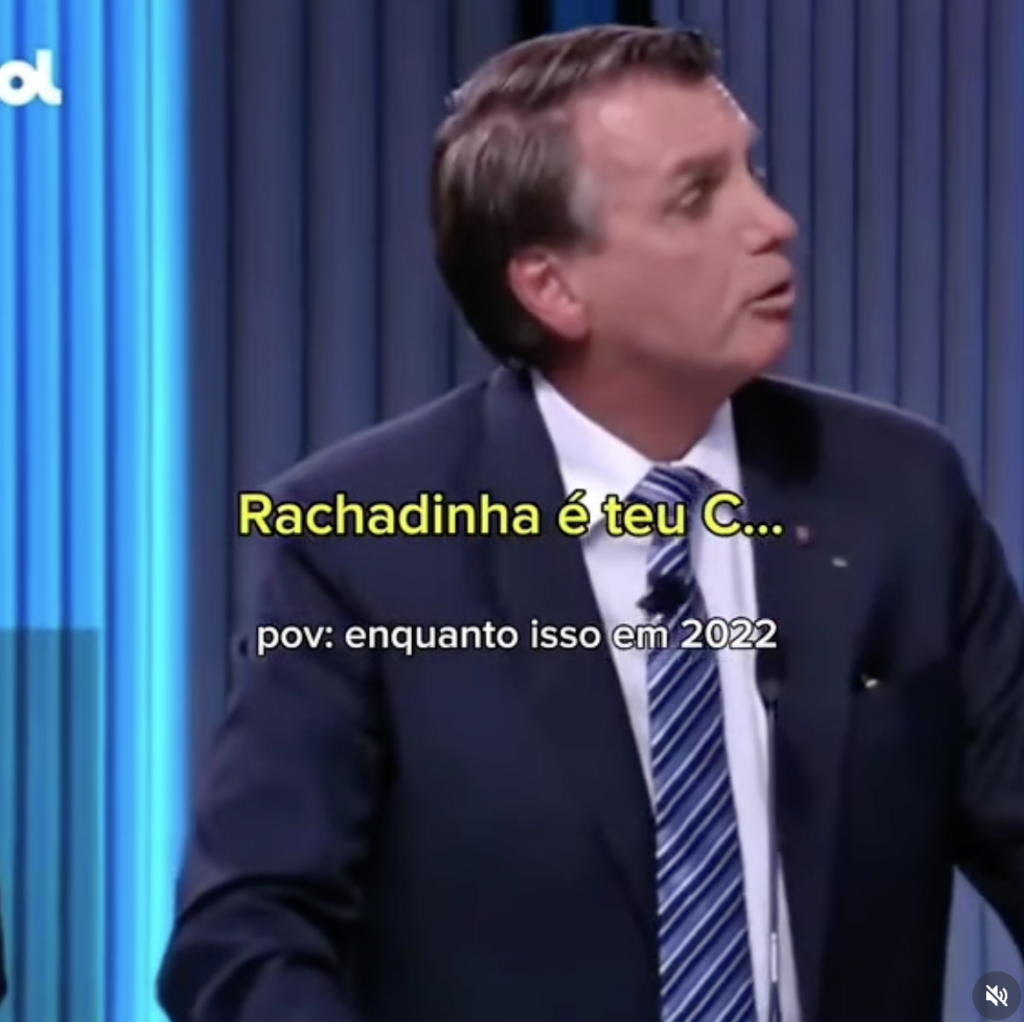
A clear example of this phenomenon can be seen in memes involving right-wing candidates and political figures, and for this example I will use the figure of Jair Bolsonaro. Even among people who disagree with his political positions, it is common to hear comments that he is “funny,” “charismatic,” or “good at memes.” Phrases said out of context, short videos of controversial speeches or attitudes considered unusual circulate widely on social media, often without any critical analysis of the political content behind them. Thus, the focus shifts from concrete proposals or actions to the digitally constructed personality. This type of constant exposure helps keep the candidate’s name in the spotlight and can generate a familiarity that, for part of the public, turns into sympathy, even without ideological agreement.
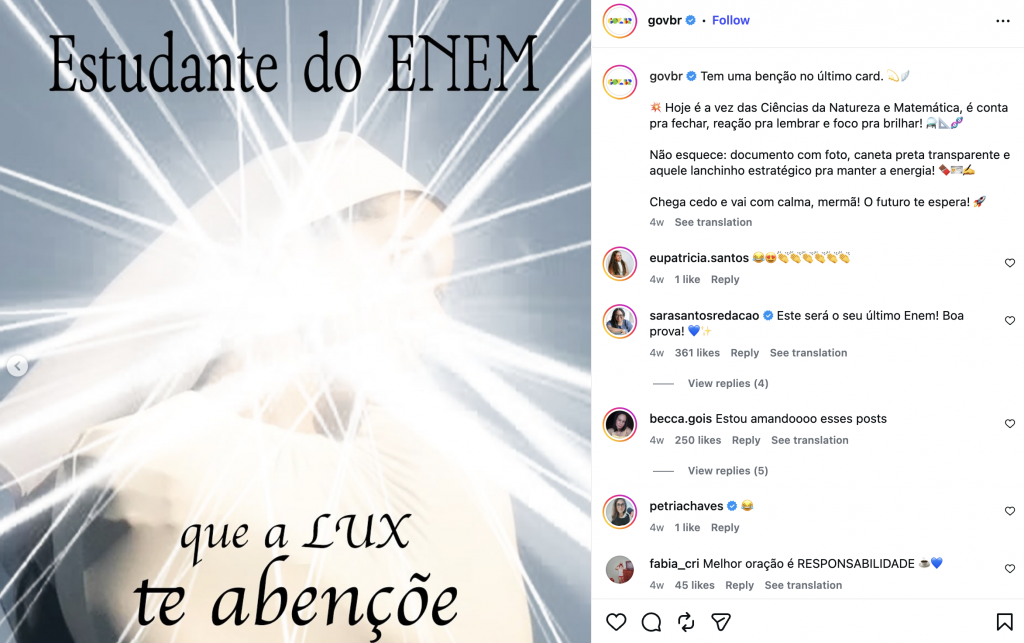
In addition, the use of memes as a political communication strategy has been adopted more consciously by the Brazilian government’s own communication team. Official profiles on social media use informal language, jokes, references to pop culture, and typical meme formats to engage with young audiences and users who do not consume traditional political news. This strategy seeks to bring the government closer to the population, creating a sense of accessibility and modernity. However, it also raises questions about the superficiality of political debate, since complex issues end up being reduced to funny images or catchy phrases.
Thus, a question arises: do memes really teach anything to the electorate or do they only strengthen the image of politicians on social media? While they spark interest and bring individuals closer to political debate, they tend to simplify complex discourses and value the candidate’s personality more than their proposals. I am unsure to what extent they contribute to the formation of a more conscious voter or simply reinforce political marketing strategies.


I agree with you on the fact that social media such as TikTok and Instagram shorts oversimplify complex political debates. While on the one hand social media is a good tool for politicians to reach the youngest part of society, on the other hand, most of the time, the image portrayed is different from reality. In a context where political debates are spread through social media, we need to be careful and learn how to remain critical.