
Remember when all pictures were taken on smartphones and digital pocket cameras seemed like relics of the past? Well, the tables are turning. Digital cameras are making a comeback, and it’s not just the nostalgia talking. In fact, this resurgence is revealing a lot about how we interact with images, creativity and cameras in this day and time.
The trend has been spotted everywhere: from vintage-looking images on social media to sudden flashes in bars and clubs of people carrying these pocket cameras, they are everywhere. BBC recently reported on this revival, noting that digital cameras are becoming ‘cool’ again, especially among young people seeking something different than their phone cameras.
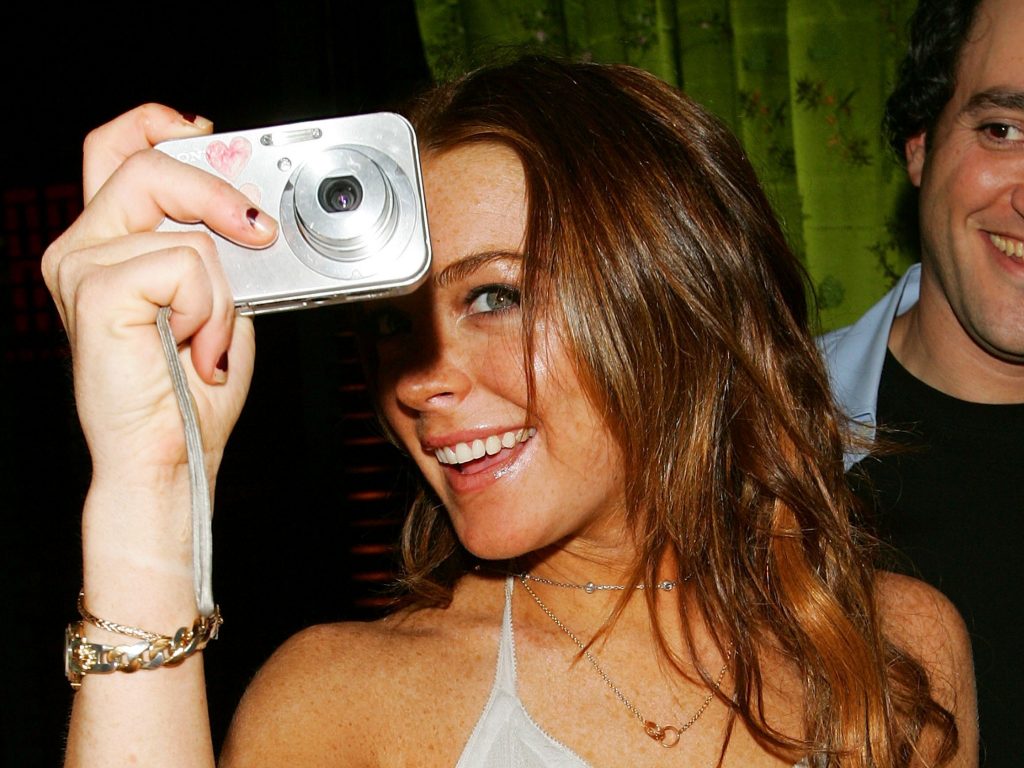
One of the most obvious draws is retro charm. Where fashion trends from the 2000s are returning, so is the time’s technology. As CNET points out, digital cameras carry a sense of nostalgia, a throwback to the days when photography felt more deliberate. I personally feel like this started on smartphones themselves. Among me and my friends, people were downloading apps to take pictures on, and these pictures would get a retro/ vintage look. Slowly this trend grew, and people started finding their parents’ old cameras in put away boxes in the attic. Unlike smartphones, which demand constant connectivity, digital cameras are physical objects with presence: small dials, built-in lenses and that satisfying click and flash. They are tactile, and in a world dominated by touchscreens, that physicality is refreshing.
The retro factor is not just about aesthetics: it’s about slowing down. In a world that seems to be in a bigger hurry everyday, people tend to seek out the slower pace in life. Using a digital camera requires a little more thought about framing, timing and light, encouraging a deeper engagement with your surroundings. In a culture where images are endlessly snapped, swiped, and forgotten, this slower approach feels like a breath of fresh air.
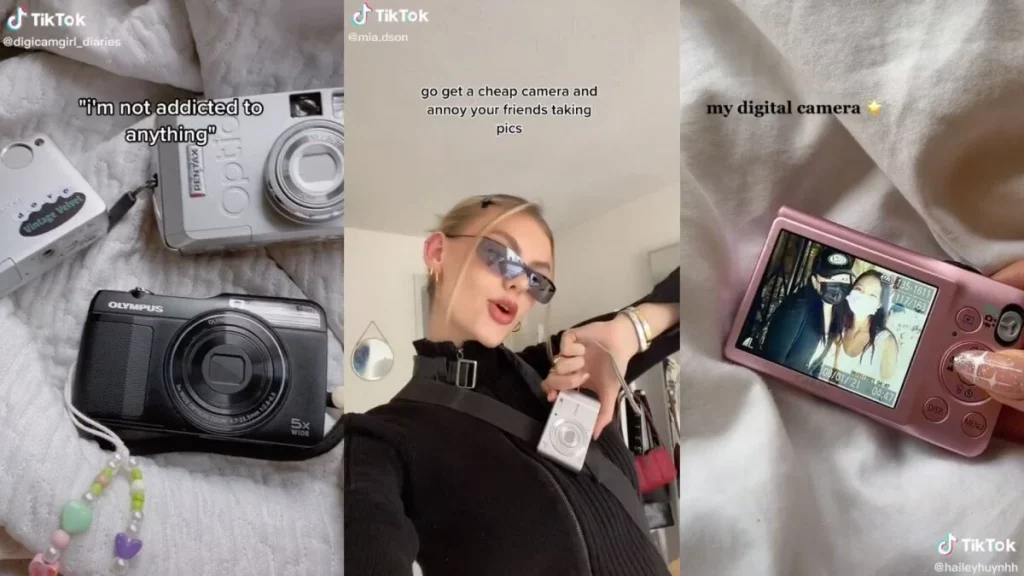
Another reason digital cameras are trending is the way they change how people pose and interact with photography. Unlike phones, where a single click can instantly send a picture online (and ruin your reputation), digital cameras create a slight buffer between taking a photo and sharing it. This reduces the social pressure to look perfect. I have experienced this with my own friends. The pictures after a night out on a digital camera always seem to show people’s truer selves, as people feel way less pressure to look good or to behave a certain way.
Neuroscientist Justin Moretto coined the term visiobibliophobia, the fear of being posted (or publicly judged online). On phones, this fear makes people self-conscious, posing in a more controlled or overly curated way. They perform a different identity. On digital cameras allow a more playful, spontaneous approach, where people feel freer to make funny faces, act naturally or experiment with movement, because there’s no immediate threat of the image going viral online. In short, digital cameras capture the “real you” rather than the polished version that social media often demands.
Digital cameras are also thriving because of a slight rebellion against smartphones. Phones are convenient, yes, but they don’t feel intentional when making pictures. Digital pocket cameras are: they are there to make images, not to scroll or text.
Despite the simplicity and often ‘bad quality’ (less sharp, more noise etc), the photos these cameras produce feel different from smartphone shots. They are often imperfect, but full of personality. The images feel authentic, intentional and distinctive. As Marshall McLuhan famously said: “The medium is the message”, and in this case it really is. The retro-nessa and realness of the pictures tell a message in itself. And if you see someone posting a photo made on a digital camera, the moment instantly feels much more real than when it’s a phone-made photo.
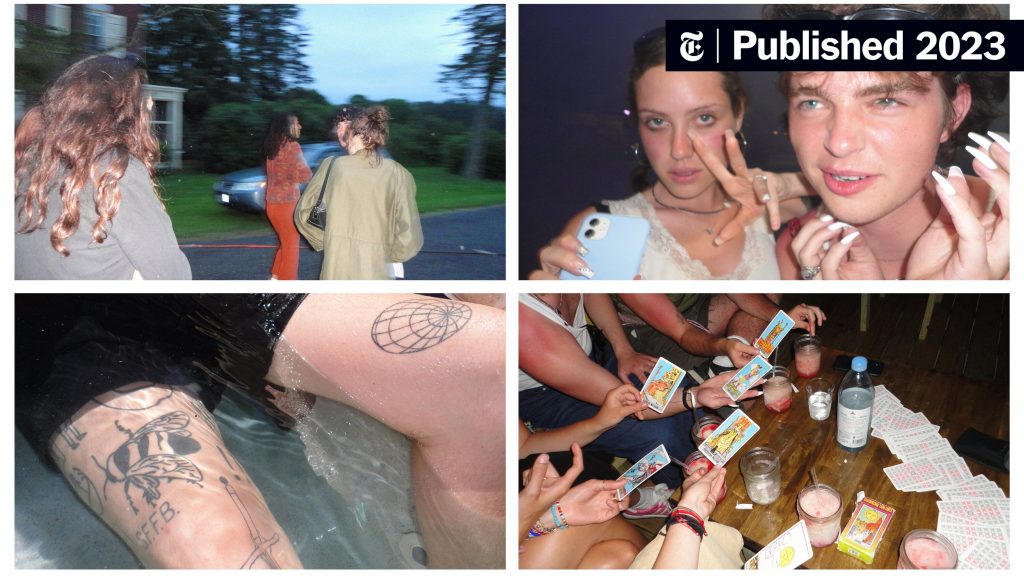
The comeback of digital cameras reflects a broader shift in how we relate to images, technology and social media. People are seeking authenticity, spontaneity and creative freedom that isn’t constantly judged by likes or shares. Simple, small digital cameras offer exactly that: retro charm, tactile controls and the ability to capture moments that are real, impactful and playful. In a world where phones are constant companions and social media can feel like a stage, digital cameras let you take photos for yourself, not for anyone else (except maybe your friends and family). They remind us that photography doesn’t have to be performative: it can be personal, experimental and genuinely fun.
So, maybe it’s time to pick up a pocket camera again. Step out, snap some unpolished shots on your next outings, and see what it feels like to capture moments without the pressure of perfection.
Bibliography
https://www.npr.org/2024/12/09/nx-s1-5209770/gen-z-digital-compact-cameras-millennials-trendy
https://www.bbc.com/news/technology-64512059
https://www.cnet.com/tech/computing/say-cheese-5-reasons-why-digital-cameras-are-trendy-again
https://www.thecrimson.com/article/2024/10/3/digital-camera-comeback-think-piece
https://www.abc.net.au/news/2025-06-18/why-digital-cameras-are-making-a-comeback/105414664
https://www.nytimes.com/2023/01/07/technology/digital-cameras-olympus-canon.html
McLuhan, M. (1964). Understanding media: The extensions of man. McGraw-Hill.


I think it’s great that you’re bringing up this topic. It’s definitely a hype that’s coming back. I get the impression that people want to do more and more things without their phones so they can live more in the moment. Other people are taking up knitting or reading books. It’s just nice to grab a small camera during fun and spontaneous moments to capture these things instead of reaching for your phone again. Because it’s so much fun to capture those things, but why immediately reach for your phone again? Everything always revolves around that phone. I feel like people want to go back to a time when not everything revolved around that phone. I’m trying to do this more and more myself, and I’ve noticed that I occasionally grab my parents’ old camera as a phone-free activity.
This is such an interesting topic since I feel it fits into the era of nostalgia we seem to be in at the moment with so much of what is trendy is attempts to recreate what people were doing and wearing in the early 2000s. The early 2000s have become a kind of golden era where everything was ‘cool’ or ‘chic’ and there is this desire to get back to that. This is why Vinted is so big, people love the idea of vintage and the past but not the past like the 50s, the past being 20 years ago, when some of us were still alive.I feel that has led to a rise in digital cameras nowadays.
Reading your post has been very enjoyable. It reminded me of my childhood and made me reflect on how, nowadays, by taking pictures with smartphones rather than cameras, the authenticity on the moment itself has been lost. In a world in which most of the people attempt at performing it is important to remark on the value of creating truthful memories.