Reviving Heritage: Colorized photos – Digital Media, Society, and CultureSkip to content
Explore the human side of digital technologies
Reviving Heritage: Colorized photos
Like many others, I find myself captivated by colorized historical photos and videos. They bring history closer, revealing details that black-and-white images obscure, making the past feel vivid and relatable. This digital resurrection of memory fits perfectly into a collective yearning for nostalgia – not just in pop culture, but in how we connect with our heritage and history. It’s no surprise that colorization feels so comforting. It bridges the distance between us and the lives of those who came before us, reminding us of where we come from.
The Genealogy Journey
My endless journey into genealogical research began with the spur-of-the-moment idea to take a DNA test. Little did I know it would bring immense comfort and entirely new perspectives into my life. Building a family tree quickly became my daily detective work, made possible by the wonders of technology. While my close friends and neighbors often mix up genealogy with gynecology (to my endless amusement), I immersed myself in the vast online world, hunting for historians, distant descendants, and long-lost family photos.
Colorizing Polish History
I come from Poland, and my genealogical journey has led me to explore Jewish, Ukrainian, and German-speaking historical communities. It’s been deeply fulfilling to witness the recent trend in Polish public discourse that seeks to demystify and reevaluate history.1 These conversations extend far beyond World War II, tackling topics like the feudal status of peasants, social dynamics, and tensions within minority groups. Social media has become a battleground for these debates, and it fills me with pride to see Poles genuinely engaging with their history.
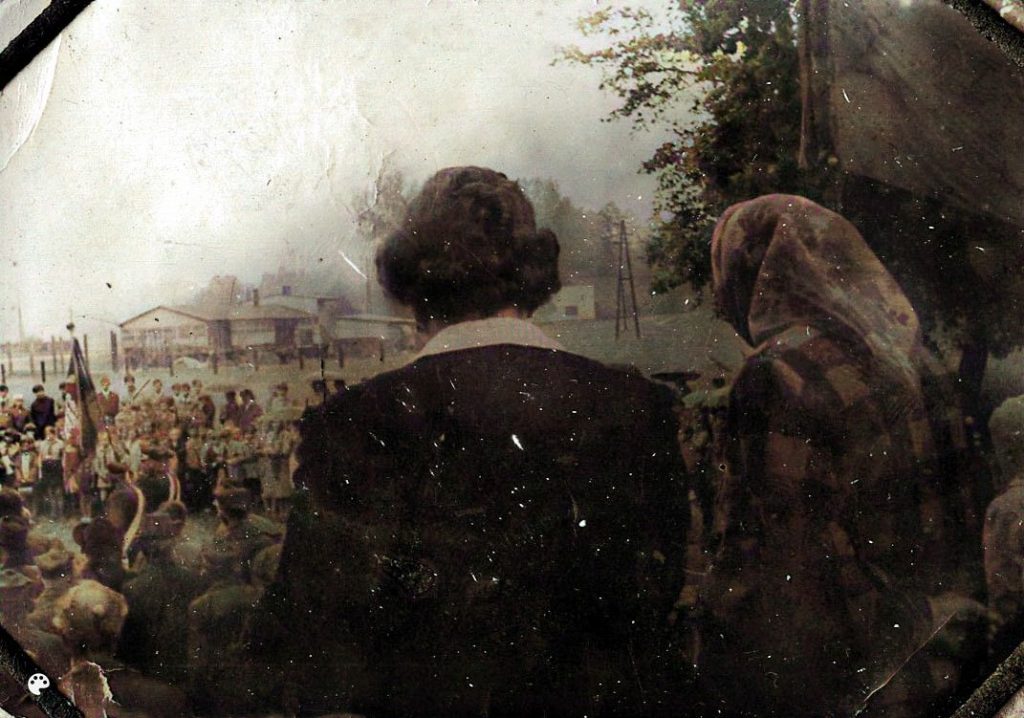
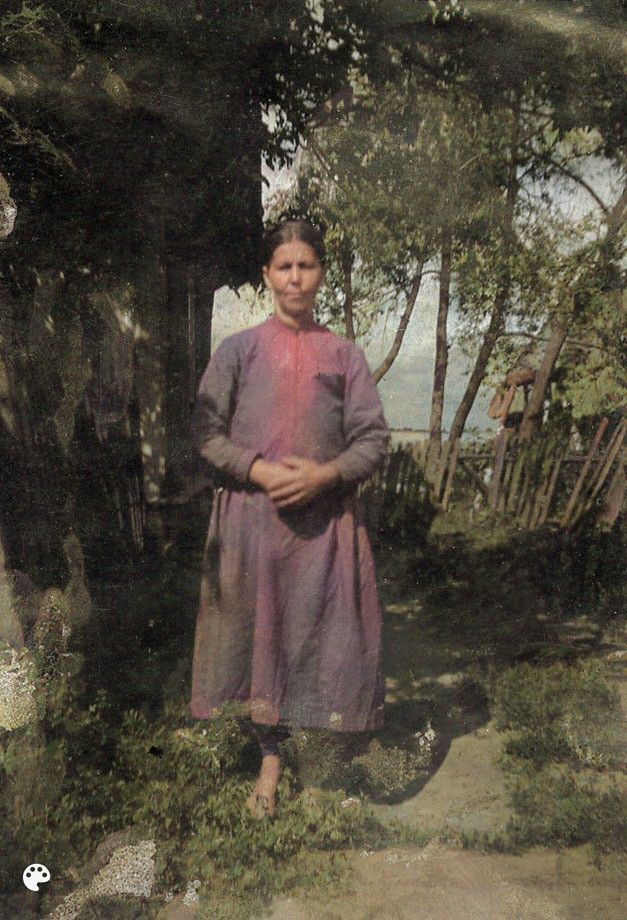
Then came the colorized photos, breathing life into stories that words alone could never fully convey. The process of colorization adds a new dimension to history, often revealing surprising details hidden within the shades of black-and-white photographs.
Unknown social gathering in Świerże, Poland, 1950s-60s, from the autor’s collection. Made using MyHeritage In Color™.
Ruthenian woman in Świerże, from the autor’s collection. Made using MyHeritage In Color™.
AI as a Double-Edged Sword
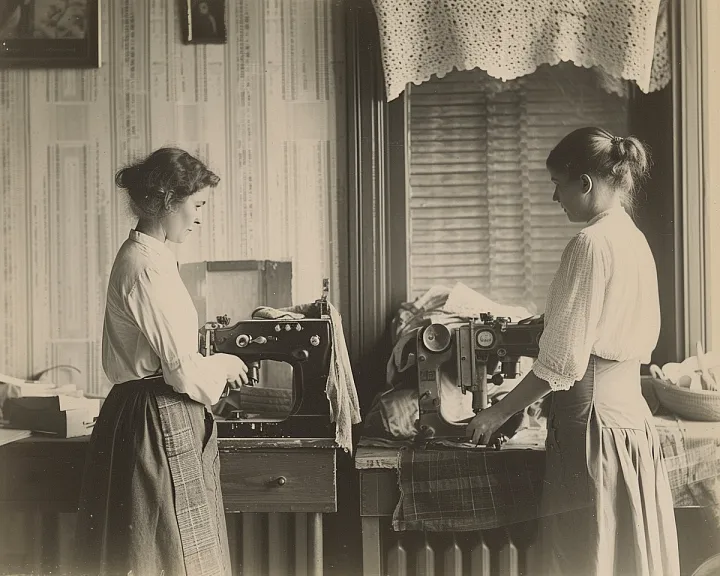
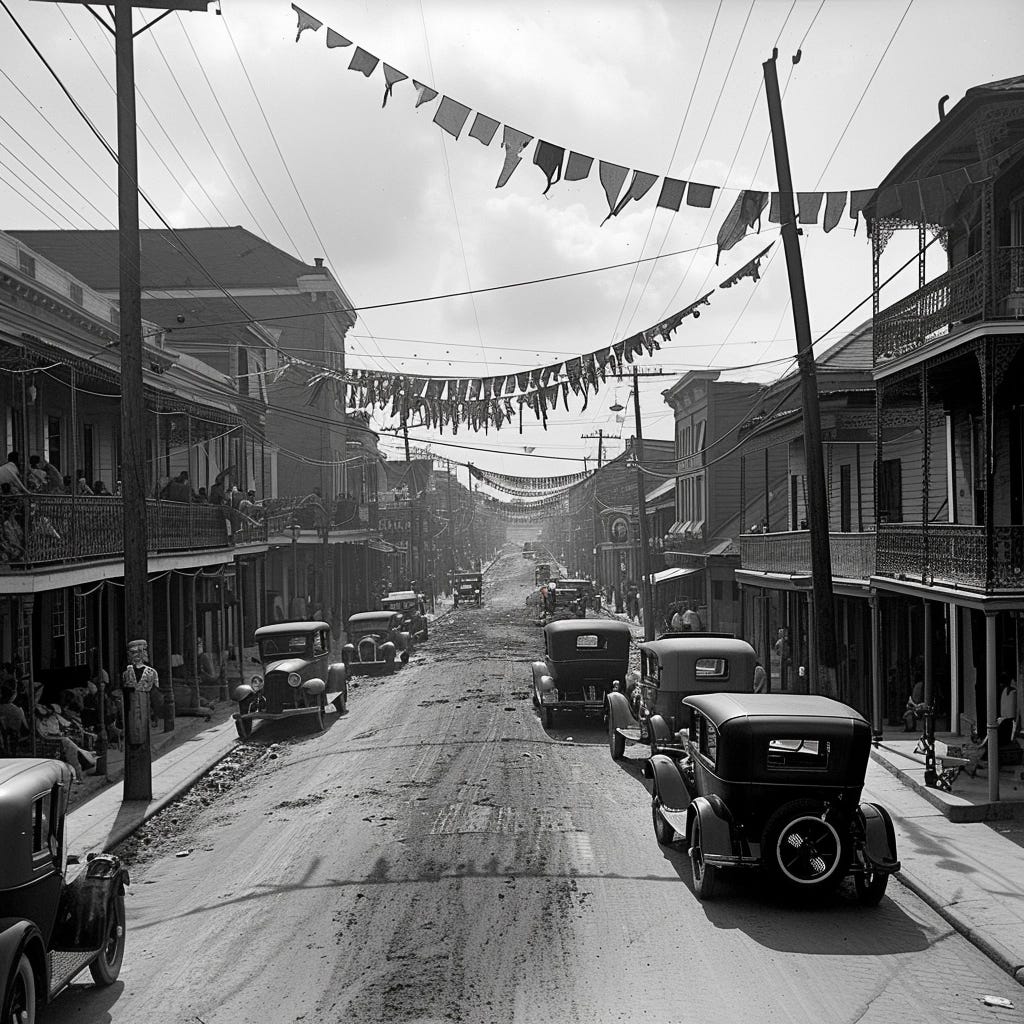
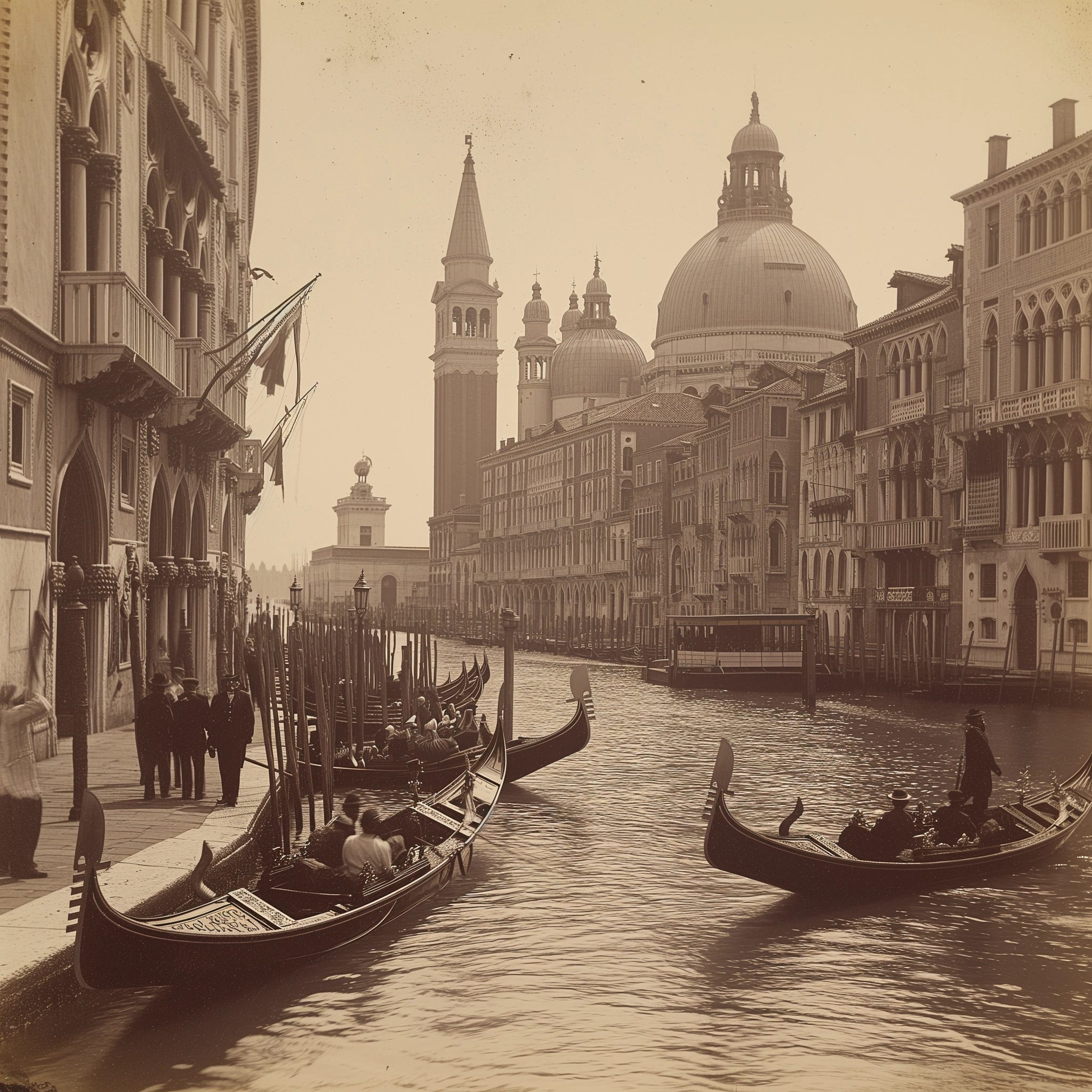
While colorization opens new windows to the past and often leaves us in awe, the use of AI for manipulation can take things to unsettling extremes. Historians voice concerns, while non-historians tend to find it either fascinating or downright creepy. Technologies like Deep Nostalgia ™, Midjourney, DALLE-2 and Stable Diffusion, have brought animated photos to life in astonishing ways, but they’ve also sparked protests against such alterations of cultural heritage. Why? Because these tools make it nearly impossible to distinguish AI-generated content from authentic historical photos, blurring the lines between preservation and fabrication.
Image generated by Midjourney, from Marina Amaral blog.Image generated by Midjourney, from Marina Amaral blog.Image generated by Midjourney, from Marina Amaral blog.
As noted in Kidd and McAvoy’s analysis of Deep Nostalgia, AI generates non-exisiting expressions from generic datasets, which can create a false emotional connection. These images, going viral so quickly and without proper historical context, create episemic chaos – confusion between historical fact and fabricated reality.
A Great Moral Dilemma
In Poland, the historical narrative has always been a point of contention, especially after 129 years of occupation (1795-1918 and 1939-1945), when Polish culture and history were censored and Poles subjected to Russification and Germanization. Years of censorship under communism further suppressed historical-memory conflicts, leaving them to resurface in recent decades.
In today’s internet culture, misinformation thrives. Even the mislabeling of concentration camps as ‘Polish concentration camps’ has sparked legal battles and international debates. Against this backdrop, AI introduces a new layer of complexity, with its potential to generate distortions that could escalate into serious real-world conflicts.
The critical question remains: who bears moral responsibility for the consequences of AI-generated manipulations? Without accountability, the already fragile landscape of historical truth risks further erosion.
Creativity vs Responsibility
Colorized photos hold the power to shape our personal connection to the past. As AI technology evolves at an exponential speed, so too does our collective memory and interpretation of history. While uncovering forgotten details is important, the balance between creativity and responsibility has become a critical and complex challenge. Existing regulations2 are a step in the right direction, but they remain insufficient to fully address the ethical dilemmas posed by AI’s ability to manipulate historical narratives, especially as these narratives spread freely across social media. Protecting the integrity of our shared heritage requires continued effort and innovative solutions.
Sources
Rossen, Alexander. 2023. “Shatter the Cube: Challenging Historical Revisionism in Poland and the U.S.” Humanity in Action. Accessed September 14, 2024. https://humanityinaction.org/knowledge_detail/usa-alexander-rossen-shatter-the-cube/. ↩︎
The European Union’s Artificial Intelligence Act (AI Act) prohibits certain AI practices deemed harmful, including manipulative or deceptive techniques that distort human behavior. Accessed December 18, 2024, see Article 5 of the AI Act: artificialintelligenceact.eu. ↩︎



Recent Comments